NEP in Practice – Grades 1 to 8
Integrating the vision of the National Education Policy through competency-based learning, inquiry, and holistic development.
Explore AdmissionNEP in Practice: Grades 1 to 8
NEP in Practice: Grades 1 to 8
The school has embedded the vision of the National Education Policy (NEP) into everyday learning across Grades 1 to 8 through a whole‑school approach that connects curriculum, teaching practices, assessment, and community involvement.
Curriculum Integration
NEP principles are woven into subject design through competency‑based learning, interdisciplinary connections, and real‑life application. For example, environmental topics link science with social responsibility, and language learning integrates communication, creativity, and critical thinking rather than rote tasks.
Teaching Methodology
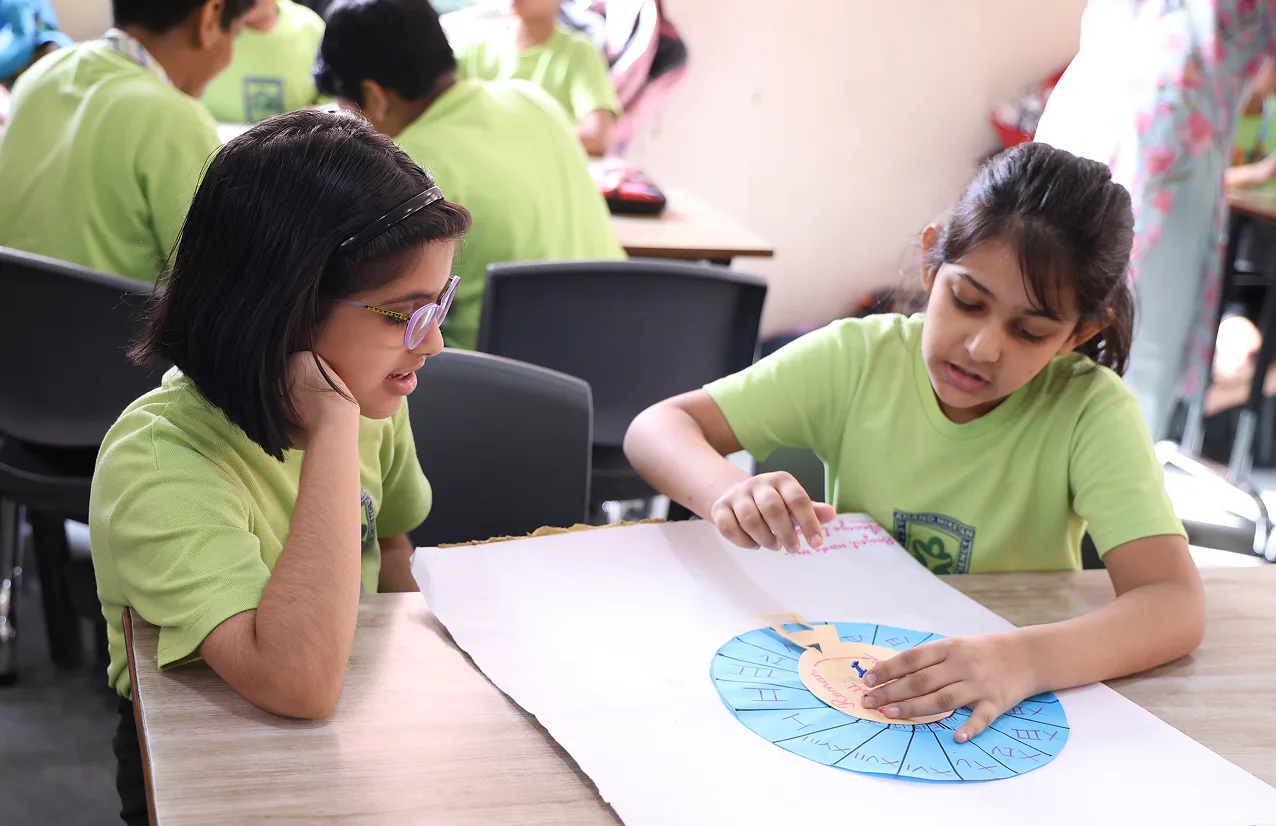
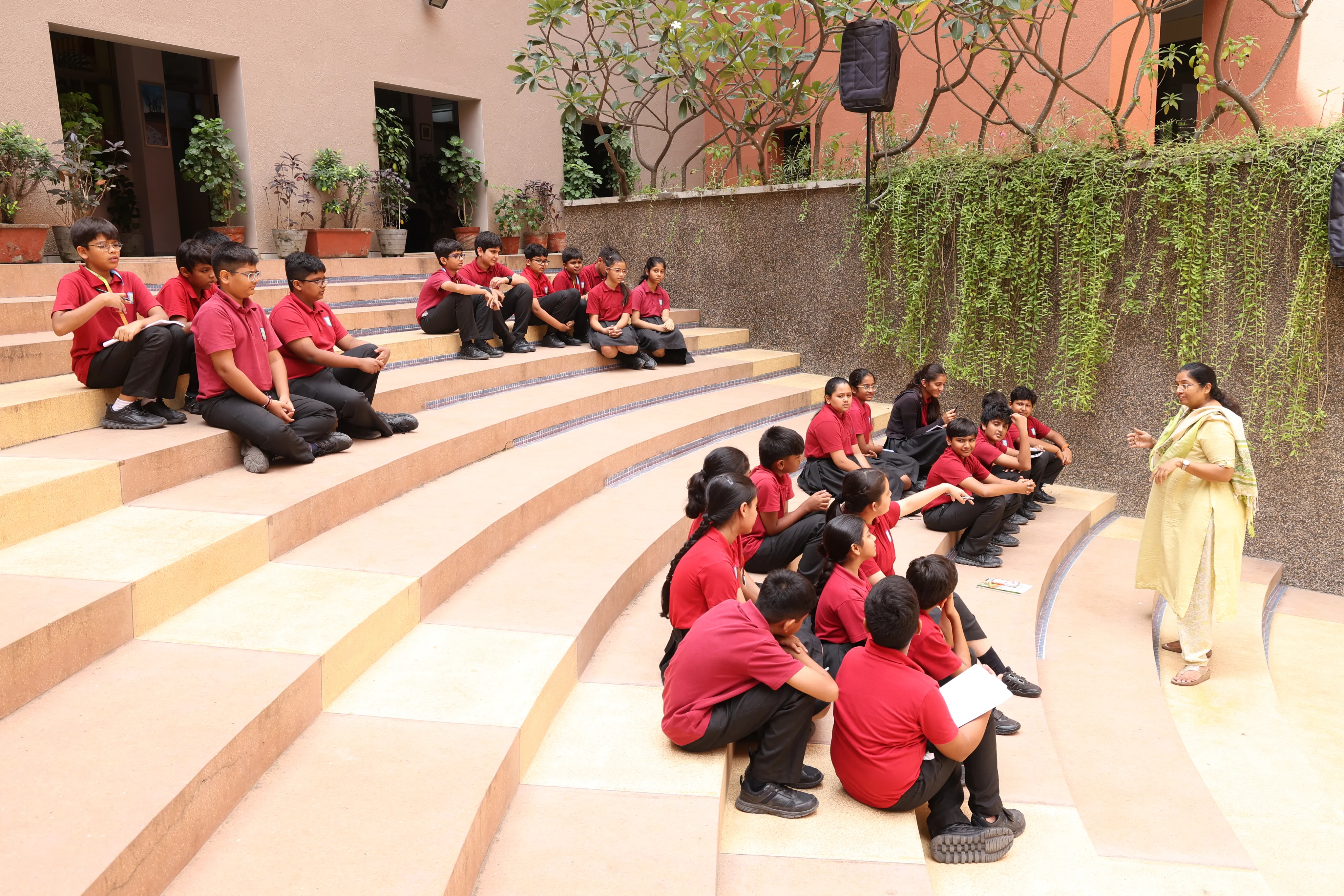
Classrooms follow experiential and inquiry‑driven methods. Exploration, observation, discussion, and collaborative tasks help students construct understanding actively. Foundational literacy and numeracy are strengthened in early grades, while middle school students engage in analysis, problem solving, and project work.
Assessment Practices
Assessments focus on conceptual clarity, application, and skill development rather than memorisation. Tools include observation records, student portfolios, project rubrics, peer discussions, and reflective tasks. This ensures continuous, comprehensive progress tracking aligned with NEP’s competency framework.
Teacher Capacity Building
Regular teacher workshops focus on NEP philosophy, child development, competency‑based planning, inclusive education, and formative assessment strategies. Teachers continuously refine classroom practices through training, peer sharing, and academic mentoring.
Parent Alignment
Orientation sessions and communication forums help parents understand NEP’s shift towards skills, values, and holistic growth. Parents are guided on how to support learning habits, curiosity, and independent thinking at home.
Learning Environment
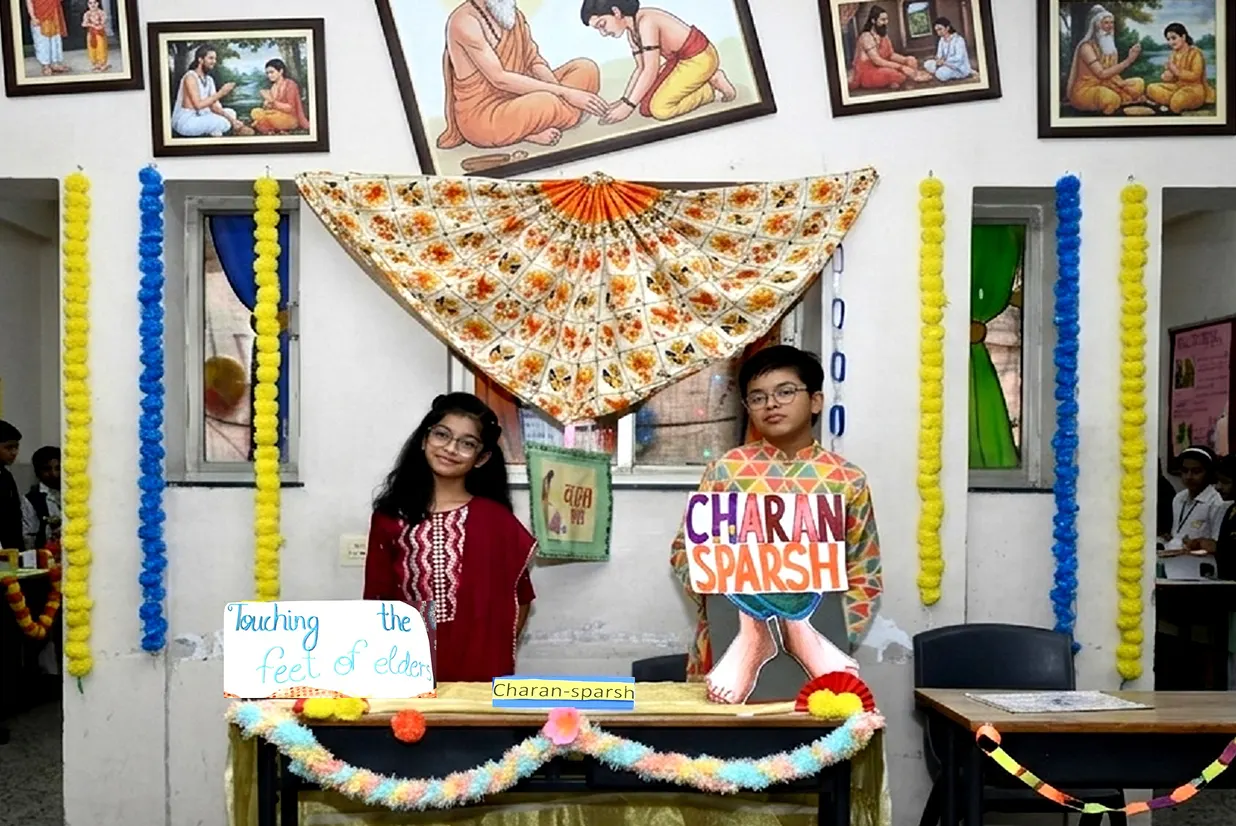
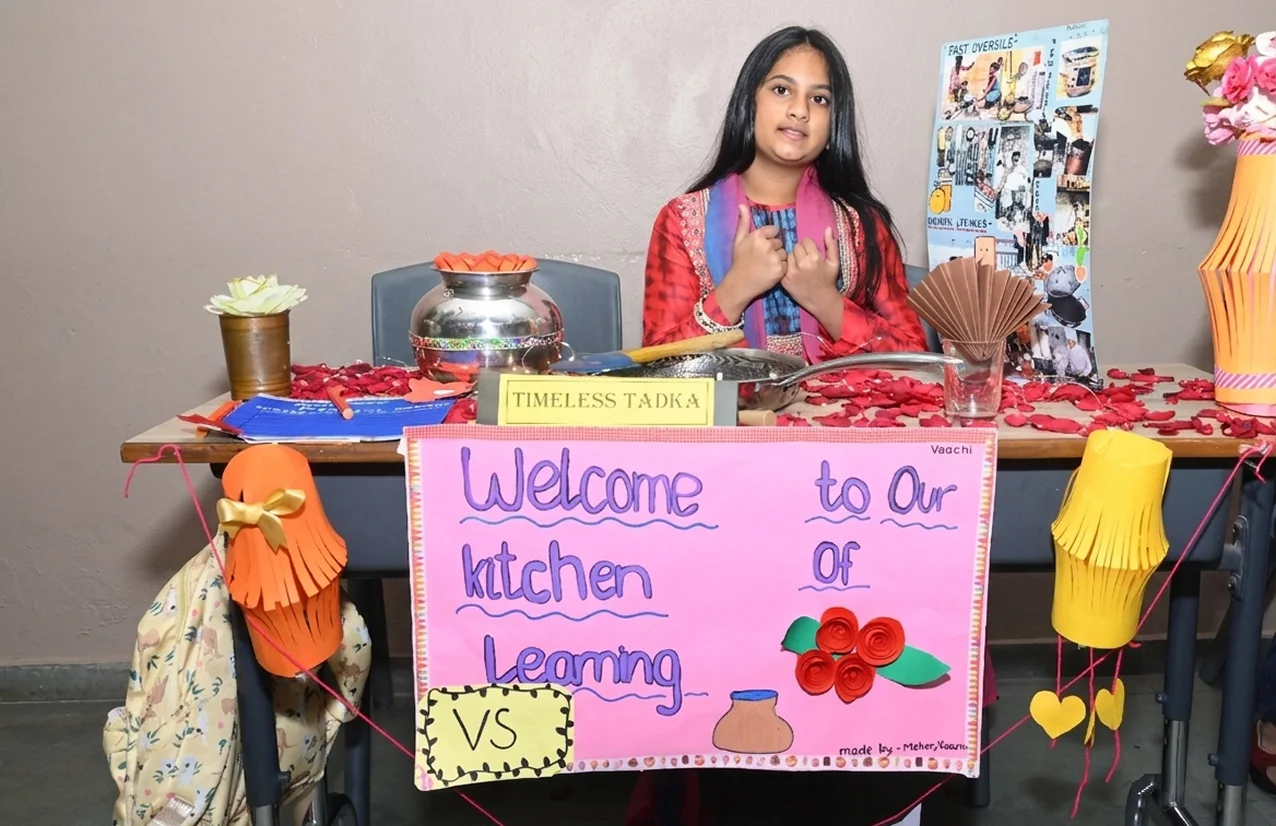
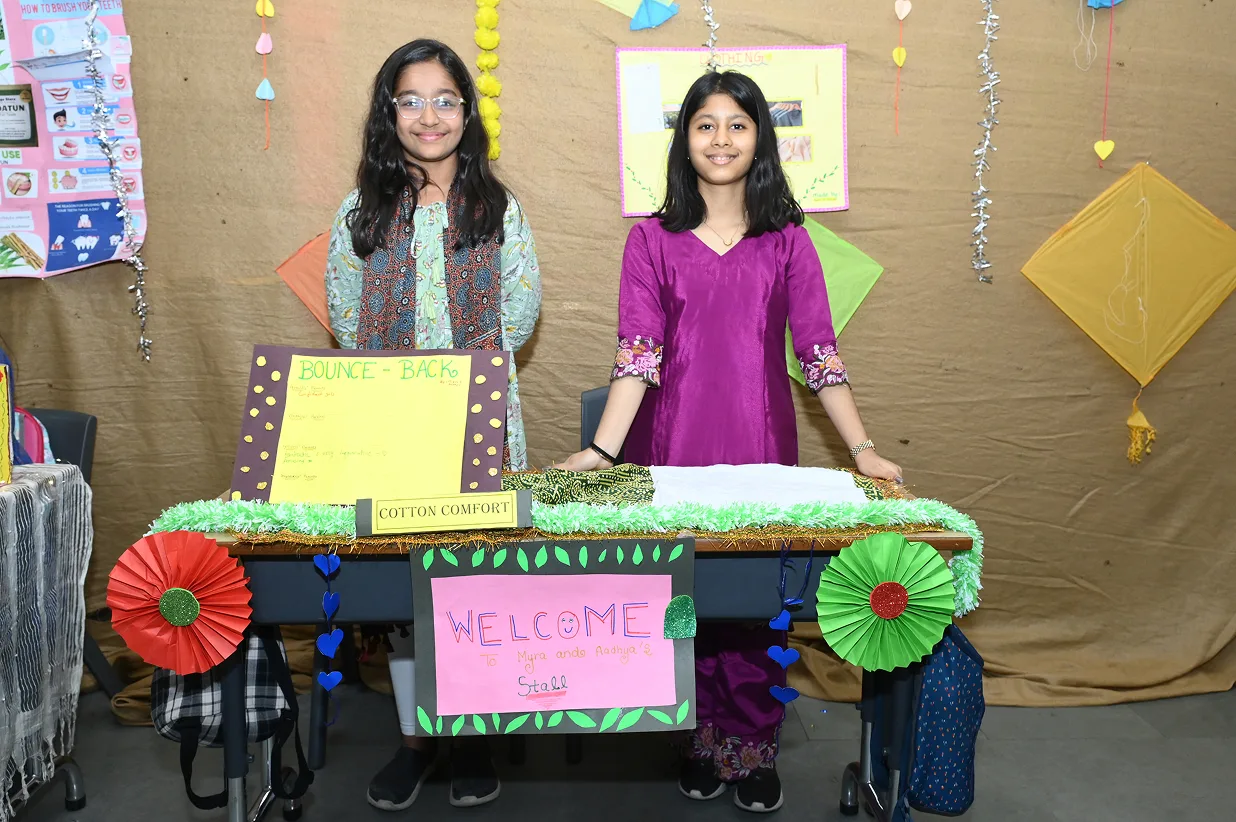
Display boards, student work exhibits, and thematic learning corners across the school showcase inquiry projects, reflections, and skill‑based outcomes. The environment itself becomes a learning tool, reinforcing concepts visually and contextually.
Through this integrated implementation, the school nurtures confident, curious, and capable learners prepared for lifelong learning, in the true spirit of NEP.